What is a Neurologist?
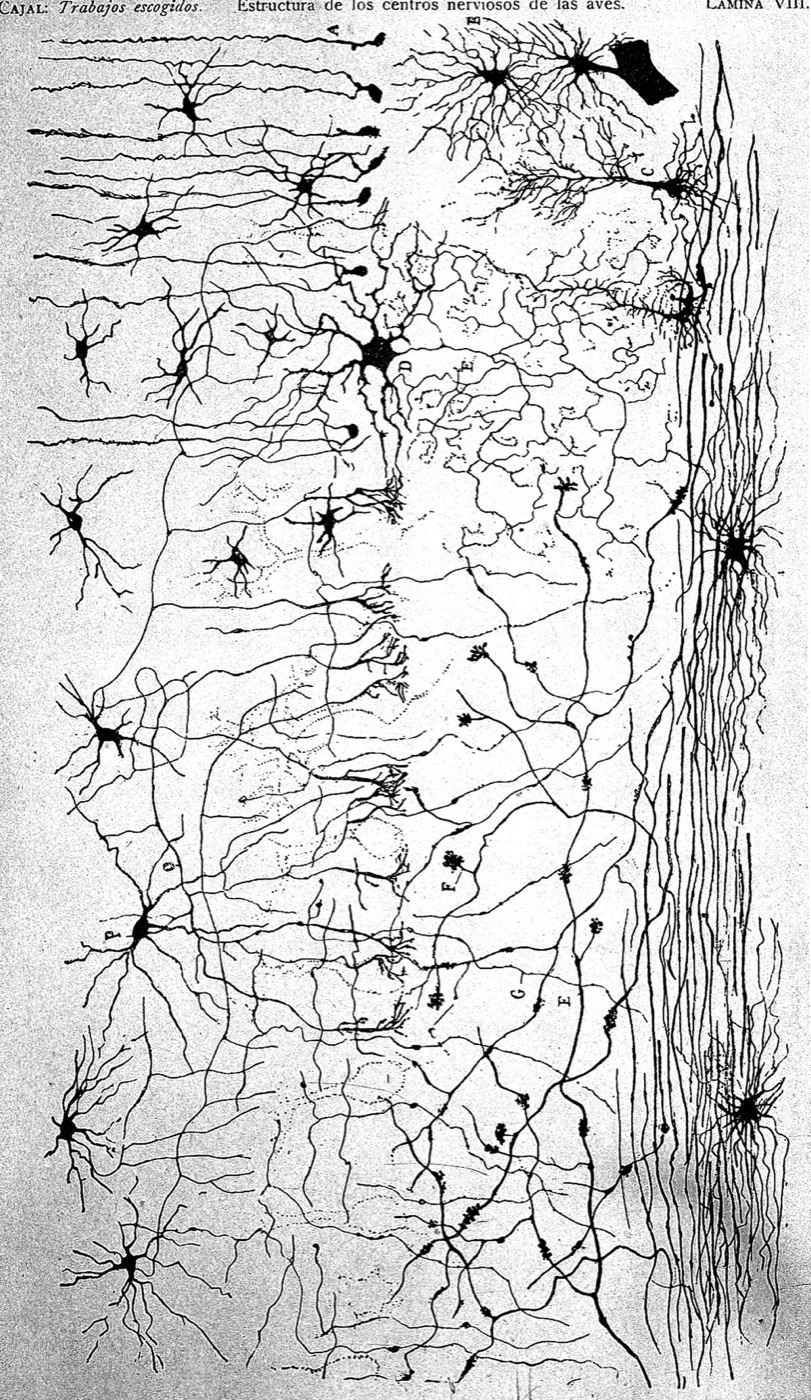
Brain structures. Wellcome Collection. Source: Wellcome Collection. Licensed under CC BY 4.0
What Neurologists Do
Neurology is the branch of medicine responsible for the study and treatment of diseases that affect the central nervous system (brain, spinal cord, optic nerve) and the peripheral nervous system (nerves, muscles, sensory receptors in the skin, and special senses — hearing, balance and taste). Neurologists are physicians who have trained in general medicine and specialised further in neurology. Neurologists do not perform surgery — if a patient requires surgery, referral to the appropriate specialty will be offered.
- Cerebrovascular disease, such as stroke
- Demyelinating diseases of the central nervous system, such as multiple sclerosis
- Headache and migraine
- Infections of the brain and peripheral nervous system
- Movement disorders, such as Parkinson's disease and essential tremor
- Disorders of the peripheral nerve, such as amyotrophic lateral sclerosis (ALS) and peripheral neuropathy
- Muscle diseases, such as muscular dystrophy or inflammatory myopathy
- Neurodegenerative disorders, such as Alzheimer's disease and Lewy body dementia
- Seizures and epilepsy
- Speech and language disorders
Professional Memberships
All physician training is overseen by the Royal Australasian College of Physicians (RACP). Dr Cullen O'Gorman is a Fellow of the RACP, and a member of the Australian and New Zealand Association of Neurologists (ANZAN), the American Academy of Neurology (AAN) and the American Association of Neuromuscular & Electrodiagnostic Medicine (AANEM).